Clogged drains
Kitchen, bath, shower, laundry, and recurring drain backups evaluated and cleared.
My drain is slowPlumbing without the runaround
Tell Plumber of Apex what is happening. We help local homeowners sort through everyday plumbing problems with a friendly conversation and a practical next step.

How we help
If your exact problem is not listed, call anyway. Plumbing symptoms often overlap.
Kitchen, bath, shower, laundry, and recurring drain backups evaluated and cleared.
My drain is slowDripping fittings, hidden moisture, damaged supply lines, and burst-pipe concerns.
I found a leakNo hot water, slow recovery, unusual sounds, tank leaks, and replacement questions.
My hot water changedRunning toilets, weak flushes, dripping faucets, shutoffs, and fixture replacement.
A fixture needs helpSink drains, garbage disposals, dishwasher connections, valves, and cabinet leaks.
The kitchen has a problemSeveral slow drains, repeated backups, gurgling fixtures, and camera inspection needs.
I suspect the sewer line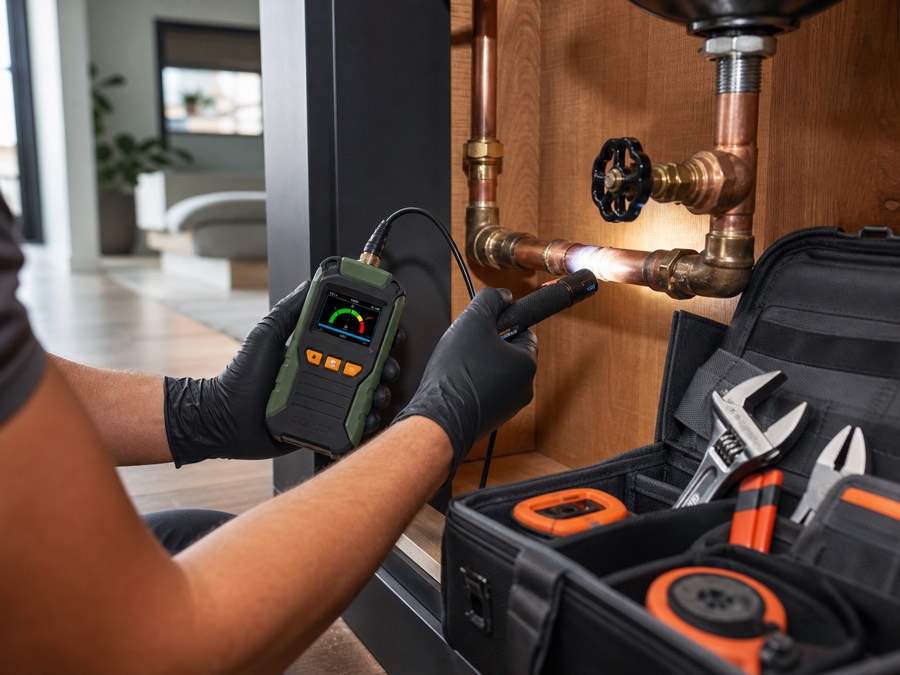
At home in the Triangle
Wake County homes include established properties, active renovations, and newer systems under heavy daily use. Humid summers can make moisture harder to interpret, while strong storms and clay-rich soil can expose drainage or underground-line concerns.
Plumbing, room by room
Tell us where the problem appears and what happens when you use the fixture. That simple starting point can separate a local connection issue from something affecting more of the home.
Kitchen plumbing includes sink drains, faucets, shutoff valves, garbage disposals, dishwasher connections, ice-maker lines, and the supply or drainage hidden inside the cabinet.
Watch for:Cabinet moisture, disposal humming, slow drainage, odors, or water appearing only when an appliance runs.
Bathrooms combine toilets, faucets, showers, tubs, seals, valves, and multiple drains in a compact area. Small symptoms can overlap, so the timing matters.
Watch for:A rocking toilet, weak flush, dripping valve, slow tub, changing shower pressure, or stains below an upstairs bathroom.
Water heaters, washing-machine hoses, floor drains, shutoffs, and main supply components often share utility spaces. Moisture here should be traced carefully.
Watch for:Tank sounds, slow hot-water recovery, corrosion, damp flooring, bulging hoses, or unexplained temperature changes.
Hose bibs, irrigation connections, buried supply piping, sewer lines, and cleanouts can all produce symptoms indoors or in the yard.
Watch for:Persistent wet areas, unusual plant growth, sewer odors, exterior leaks, or drainage changes after a heavy Triangle storm.
Repair or replace?
A focused repair can make sense when a component is otherwise in sound condition and the issue is isolated. Replacement may deserve discussion when problems repeat, materials are deteriorating, equipment is near the end of its useful life, or the existing setup no longer serves the household well.
Discuss your plumbing optionsThe cause is localized, surrounding materials remain in good condition, and the repair addresses the source rather than only the symptom.
Failures keep returning, damage is widespread, parts are difficult to support, or age and condition make another repair less practical.
Current condition, likely service life, access requirements, effects on nearby finishes, and what ongoing maintenance may be needed.
A simple start
Kitchen, bathroom, utility area, crawlspace, or outside line.
What changed, when it began, and whether water is actively escaping.
Discuss Apex availability and the appropriate service direction.
Before you call
Here are a few useful starting points for Apex homeowners.
Call with your Apex location and the issue. The team can confirm local availability and what happens next.
Fixture buildup, a valve, supply-line trouble, a pressure regulator, or a wider service issue can all affect pressure.
Yes. Several slow drains, repeat backups, gurgling, or yard wetness can be reasons to inspect farther into the system.
Move valuables, avoid electrical hazards, and shut off the nearest safe valve or the main water if you know how. Then call for help.
Kitchen plumbing can include sink, faucet, disposal, dishwasher, supply-valve, and drain connections. Call with the project details so the existing system and intended layout can be discussed.
Consider age, condition, repair history, available parts, household needs, and whether the current problem is isolated or recurring. An evaluation can help put those factors in context.
APEX, NC